
Community-informed
Listen to community perspectives and encourage respectful participation in discussions about identity, heritage, and rights.
ABOUT IFP
An organization focused on Pamiri cultural heritage, identity, dignity, and community rights.
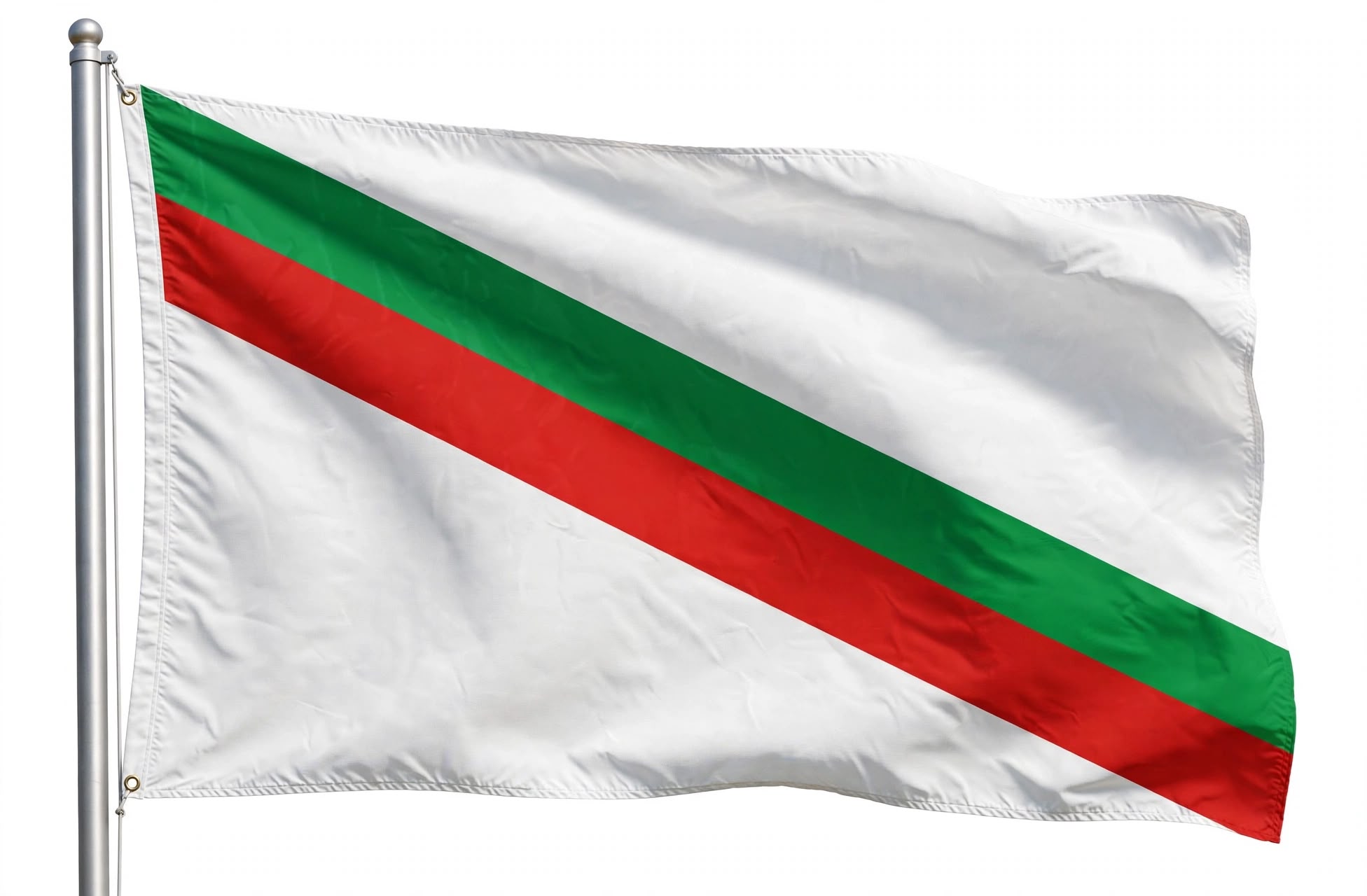
CULTURE • DIGNITY • COMMUNITY
WHO WE REPRESENT
The Pamiris are a group of distinct linguistic and cultural communities native to the high mountain valleys of Central Asia and South Asia, with their own languages, traditions, and shared heritage.
The Pamiri homeland lies within the Pamir Mountains, sometimes called the “Roof of the World,” a remote and rugged region at the convergence of Central and South Asia. The area spans parts of present-day Tajikistan's Gorno-Badakhshan Autonomous Region and Afghanistan's Badakhshan province, with related communities also found in northern Pakistan and western China. The region's mountainous terrain shaped centuries of relative isolation, allowing distinct local languages, customs, and traditions to develop and endure.
Pamiri communities speak a family of distinct Eastern Iranian languages — including Shughni, Rushani, Bartangi, Wakhi, Ishkashimi, and Sarikoli, among others — which are related to, but separate from, Tajik and Persian. Many of these languages are primarily oral and are considered vulnerable, as younger generations increasingly use national or regional languages in education and public life.
The majority of Pamiris follow Ismaili Islam, a branch of Shia Islam, which has shaped distinct community, educational, and cultural traditions. Pamiri culture is also known for its oral poetry and music, traditional craftsmanship, and the symbolic architecture of the traditional Pamiri house, known locally as a chid, as well as long-standing customs of hospitality and communal support.
Over recent decades, many Pamiris have moved abroad for study, work, and other opportunities, forming diaspora communities in Russia, Europe, North America, and elsewhere, while maintaining strong ties to family, language, and tradition.
For general background, see the Wikipedia overview of the Pamiri peoples.
ABOUT IFP
The International Federation of Pamiris (IFP) is a platform dedicated to raising awareness of Pamiri identity and heritage and supporting the rights and well-being of Pamiri communities.
IFP works to bring together Pamiri communities and individuals across countries of origin and the diaspora, connecting people who share a commitment to preserving Pamiri identity and advancing the dignity and rights of Pamiri peoples, wherever they live.
The organizational framework centers on advocacy, education, community engagement, and cooperation. IFP encourages informed dialogue about cultural preservation, equality, community participation, land and natural resources, and the civil, political, economic, social, and cultural rights of Pamiri peoples.
This website shares information about IFP's purpose, governance structure, and activities, which will be updated as the organization continues to develop.
BACKGROUND
Cultural identity and heritage are important parts of community life. Preserving history, traditions, languages, and cultural knowledge can help communities maintain connections across generations and share their experiences with a wider audience.
IFP also highlights concerns relating to discrimination, access to essential services, community participation, land and natural resources, and the recognition of civil, political, economic, social, and cultural rights.
IFP aims to contribute to awareness and constructive engagement around these issues. Activities and programs are communicated clearly and accurately as part of this work.
HOW WE WORK
Listen to community perspectives and encourage respectful participation in discussions about identity, heritage, and rights.
Support the sharing of accurate information about Pamiri history, cultural heritage, genealogy, and relevant rights.
Promote dialogue and policy engagement around community concerns, dignity, equality, and participation.
Communicate honestly about the organization's status, activities, resources, and progress as its work develops.
LOOKING AHEAD
For general questions or inquiries about potential collaboration, please contact the IFP team.
Contact UsTAKE PART
Join our mission to make a positive impact. As a volunteer, you'll work directly with communities, bring hope, and help create lasting change.